The Art of Saying Less: How Restrained Sales Technique Is Defining the Next Wave of Luxury Retail Leadership
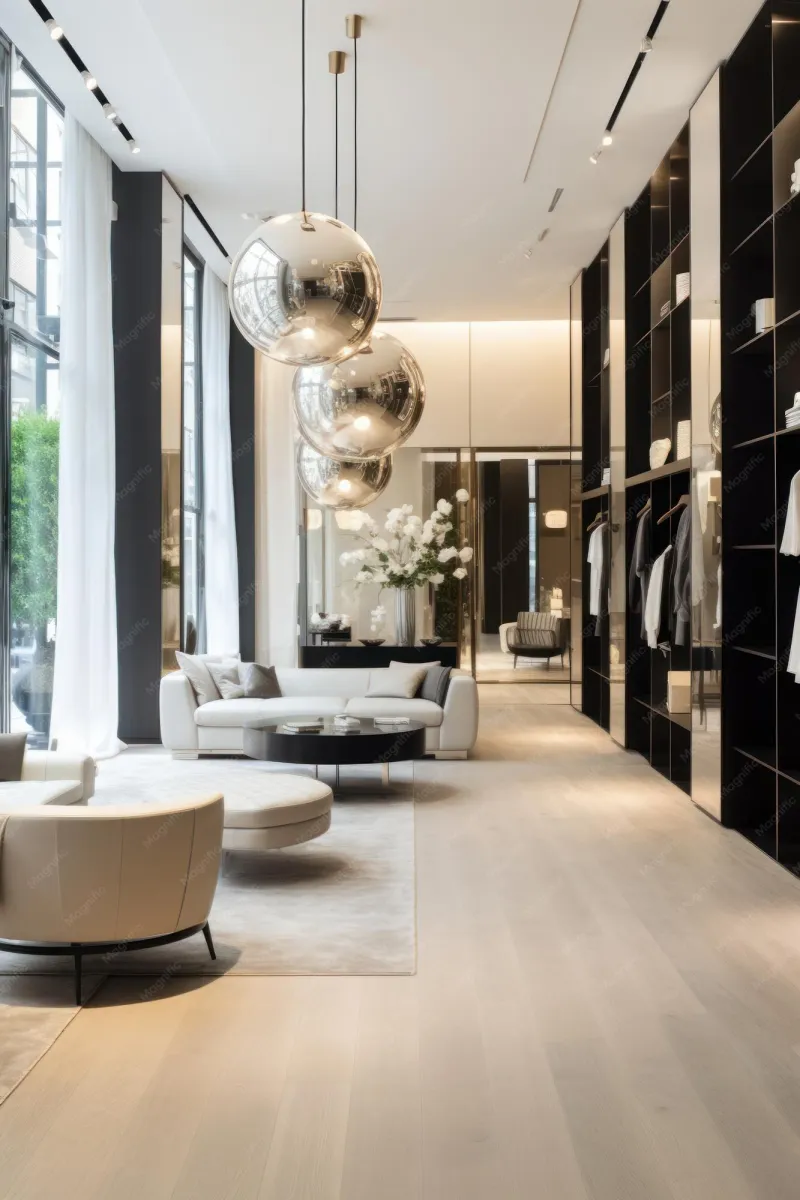
Photo: minimalist luxury home décor retail interior with soft lighting and elegant product display, via img.freepik.com
There is a moment familiar to anyone who has worked a premium retail floor — the moment when a customer stops moving. They have found something. Their hand rests near an object without quite touching it. Their breathing slows. In that instant, the instinct of a conventionally trained sales professional is to step forward, to narrate, to affirm. The instinct of someone trained in restrained technique is to do the opposite: to stay still, to let the silence hold, and to trust the product entirely.
That second instinct, once considered a passive approach to selling, is now among the most actively recruited qualities in American luxury home retail. Hiring managers at premium lifestyle and home décor brands are not simply tolerating understatement — they are seeking it, designing interview processes around it, and promoting those who demonstrate it most naturally.
Why Enthusiasm Has Become a Liability at the High End
For decades, American retail hiring culture rewarded energy. The candidate who could project warmth, sustain momentum through a conversation, and close with confidence was the candidate who advanced. That model served mass-market retail reasonably well. In luxury environments, however, it has increasingly proven to be a mismatch.
High-value customers — those purchasing considered home furnishings, curated décor, or investment-quality design pieces — often arrive with significant aesthetic literacy. They have researched. They have a point of view. What they do not need, and frequently resent, is the sensation of being guided toward a decision they have already made privately. When a sales professional moves too quickly to validate, to build enthusiasm, or to articulate value propositions that the customer has already internalized, the interaction shifts from consultation to transaction. That shift costs trust, and in luxury retail, trust is the only currency that matters.
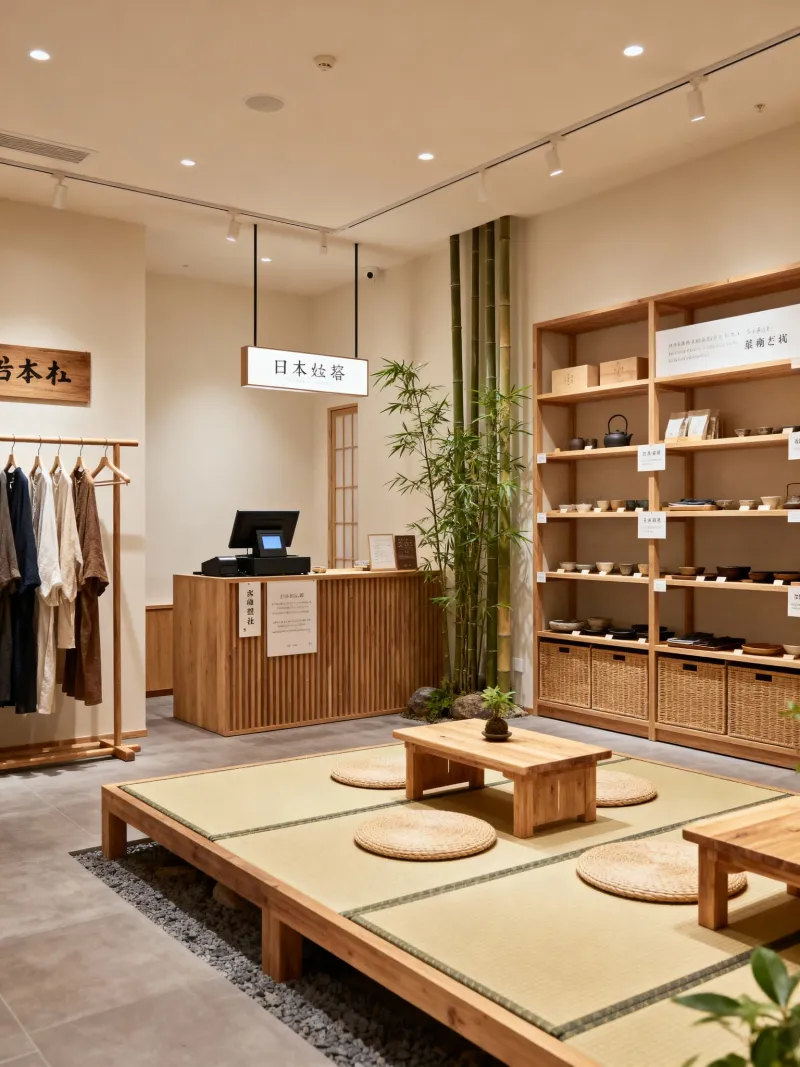
Japanese retail philosophy has long understood this dynamic. The concept of ma — the meaningful use of negative space, of interval, of deliberate pause — applies as naturally to human interaction as it does to room composition. A well-placed silence is not an absence of communication. It is communication of the most precise kind.
What Hiring Managers Are Looking For Now
Recruiters at several premium home lifestyle brands operating in major American markets have begun restructuring their candidate evaluation processes to surface this quality more reliably. Traditional role-play exercises, in which candidates are asked to sell a product to a mock customer, are being replaced or supplemented with observation-based scenarios.
In one format, candidates are shown a curated product vignette — a composed arrangement of home objects — and asked to describe their approach to presenting it to a prospective buyer. Candidates who immediately begin listing features, quoting price points, or constructing narratives of benefit are noted. Candidates who speak first about what they would not say, about the space they would create around the objects, about the questions they would ask before offering any opinion at all — those candidates move forward.
A senior retail director at a Japanese-inspired home brand with locations across the Northeast and West Coast described the shift plainly: the applicants who perform best in the first interview round are often not the most articulate. They are the most measured. They understand that a product with genuine integrity does not require a sales professional to argue on its behalf.
The Conversion Paradox
The counterintuitive reality, supported by internal performance data at several premium retailers, is that restrained technique consistently outperforms high-engagement technique in both conversion rate and average transaction value among luxury clientele.
The mechanism is not difficult to understand. When a sales professional exercises visible restraint — when they offer information only in response to genuine inquiry, when they allow a customer to sit with uncertainty rather than rushing to resolve it, when they express conviction without urgency — they communicate something that no amount of enthusiasm can manufacture: confidence in the product itself. That confidence is contagious. A customer who senses that their guide has no need to persuade them becomes far more persuadable.
This is the presentation paradox that luxury retail is now actively hiring around. The professional who speaks less often closes more. The one who creates space invites the customer to fill it — and customers, when given that invitation, almost always fill it with desire.
Building a Career on Restraint: What Candidates Should Know
For professionals currently navigating the premium retail job market, the implications of this trend are both practical and philosophical.
On the practical side, candidates should expect that interviews at luxury home brands will increasingly test for patience, for listening quality, and for the ability to articulate a philosophy of sales rather than simply a history of transactions. Being prepared to speak about when you chose not to speak — and why — is no longer supplementary interview preparation. It is central.
Philosophically, the shift asks something more significant: a genuine reorientation of what it means to be effective. American professional culture has long conflated visibility with value. In premium retail, and increasingly in the design-adjacent careers that surround it, the inverse is proving true. The professional who can disappear into the background of a customer's experience — who can make the room, the object, and the moment the protagonist — is the professional whose career is accelerating most consistently.
At Franc Franc Careers, we observe this pattern across the brands and roles we track. The candidates who are advancing into leadership positions in luxury home retail are not necessarily those with the most impressive sales histories in volume terms. They are those who can speak with precision about the architecture of a sales interaction — about where they chose to pause, what they chose not to say, and how they understood silence as a form of service.
The Longer Arc
This is not a trend confined to the sales floor. The same sensibility is migrating into visual merchandising, store management, and even wholesale and buying roles. The brands that have built their reputations on aesthetic restraint — on the idea that a beautifully edited selection, presented without noise, communicates more than a maximalist display ever could — are now applying that same editorial logic to the professionals they hire.
For job seekers who have always felt that their natural temperament was more observer than performer, more listener than narrator, more patient than urgent, the current moment in luxury retail represents something genuinely significant: the professional culture is finally catching up to you.
The lesson Japanese design philosophy has offered for centuries — that what is left out shapes meaning as powerfully as what is included — is now being written into job descriptions, interview rubrics, and promotion criteria across the American premium retail landscape. Learning to embody that lesson, and to articulate it clearly to a hiring manager, may be the most direct path forward available to the next generation of luxury retail leaders.