Designing for Stillness: How Japanese Spatial Philosophy Is Creating an Entirely New Category of Retail Careers
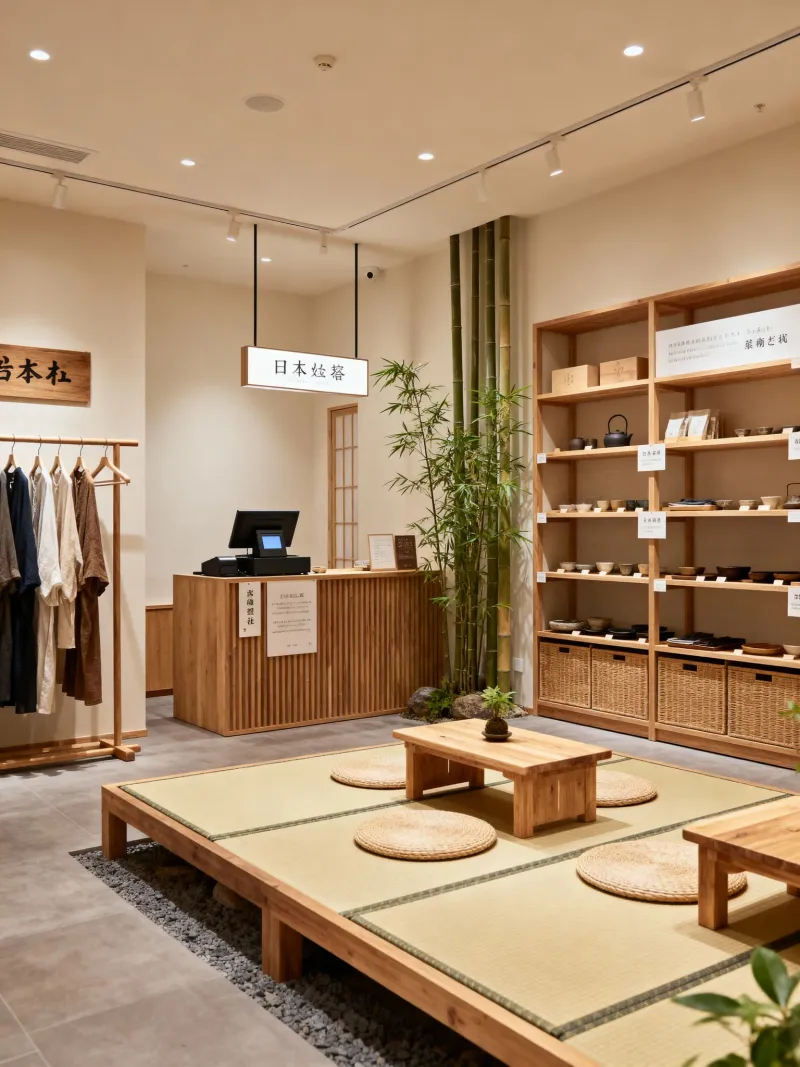
Photo: minimalist Japanese-inspired retail store interior with sparse elegant product display, via resizeapi.com
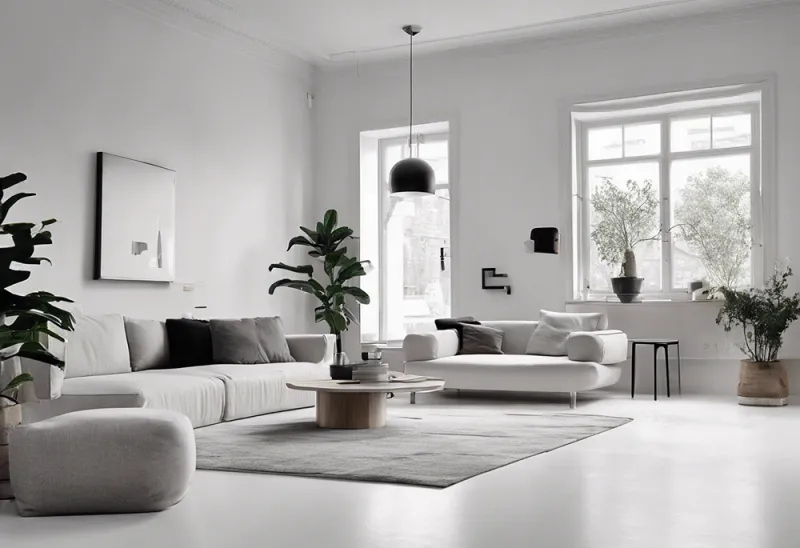
Walk into a thoughtfully designed retail environment and you may notice something unusual: the absence of clutter, the deliberate pauses between product displays, the sense that the room itself is breathing. This is not an accident of minimalist fashion. It is the result of a considered design language rooted in centuries of Japanese spatial thought — and it is quietly rewriting what it means to work in customer experience.
For American retailers, particularly those in the home décor and lifestyle categories, the competitive landscape has shifted considerably. Consumers are no longer simply purchasing objects. They are seeking environments that restore rather than overwhelm, that invite contemplation rather than demand immediate transaction. Meeting that expectation requires a workforce equipped with an entirely different set of competencies than the sales floor of a decade ago.
The Principle Behind the Practice
At the center of this transformation are two Japanese concepts that have moved well beyond academic design circles and into practical retail strategy. The first is ma — often translated as negative space, though the word encompasses far more than mere absence. Ma refers to the meaningful interval between things: the pause between words in a conversation, the gap between shelving units that allows a shopper's eye to rest, the silence that gives a product room to be seen rather than merely noticed.
The second concept, yohaku no bi, translates roughly as the beauty of emptiness. Where Western retail tradition has historically rewarded density — more product on the floor, more signage, more stimulation — yohaku no bi proposes that restraint is itself a form of communication. An empty shelf is not a failure of inventory management. Positioned correctly, it is a signal of intentionality, of curation, of trust extended to the customer to draw their own meaning.
For employers building out customer experience teams, these are no longer abstract philosophical ideals. They are operational frameworks with measurable effects on dwell time, purchase satisfaction, and brand loyalty.
A New Kind of Hire
The practical consequence of this shift is the emergence of job titles and responsibilities that did not exist in conventional retail structures even five years ago. Customer environment designers, spatial experience coordinators, and sensory retail consultants are appearing on job boards with increasing regularity — particularly among brands that position themselves within the premium lifestyle or wellness-adjacent market.
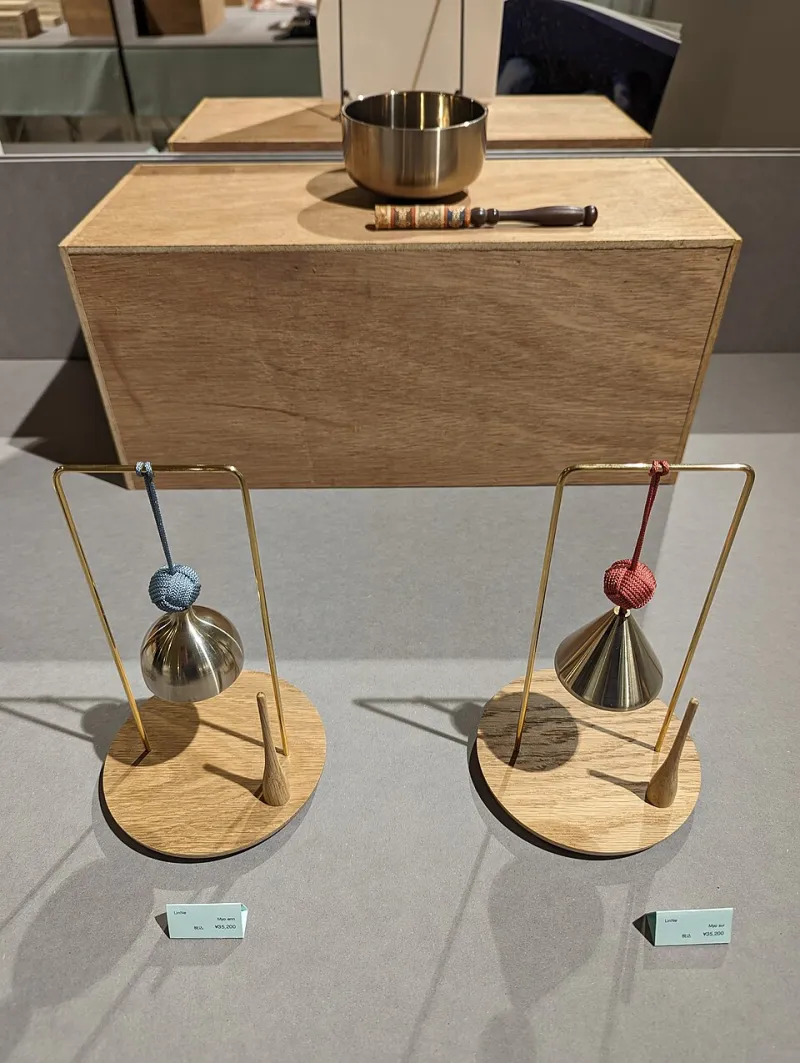
These roles blend what were once separate disciplines: visual merchandising, staff training, floor psychology, and brand storytelling. A candidate who understands how the placement of a single ceramic vessel affects the emotional register of an entire room brings a form of intelligence that no amount of transactional sales training can replicate.
Retail employers in cities like New York, Los Angeles, Chicago, and Seattle are actively recruiting for this profile. They are looking for individuals who have studied interior design, environmental psychology, or Japanese aesthetics — but they are equally interested in candidates who have simply developed a practiced sensitivity to space through lived experience and self-directed study.
Training Programs Are Evolving to Match
It is not only hiring criteria that are changing. Employee onboarding and ongoing training programs within forward-thinking retail organizations are being redesigned to incorporate spatial and philosophical literacy alongside the standard product knowledge curriculum.
This means that new hires at lifestyle and home décor retailers may now find themselves learning not only SKU hierarchies and return policies, but also the principles of wabi-sabi — the Japanese aesthetic of finding beauty in imperfection and transience — and how those principles inform the way a product should be presented, discussed, and positioned within a customer's life.
The training investment reflects a broader organizational belief: that staff who understand why a space is designed the way it is will engage customers more authentically than those who are simply executing a planogram. When a sales associate can articulate the philosophy behind an intentionally spare display, the conversation shifts from product pitch to genuine exchange. That shift, retailers are discovering, has a direct and positive effect on customer confidence and conversion.
Why This Matters for Job Seekers
For professionals currently navigating the retail and design job market, this philosophical turn represents a genuine opportunity for differentiation. The candidate who can speak fluently about spatial design principles, who has cultivated an eye for the relationship between objects and the spaces they occupy, and who approaches customer interaction as a form of hospitality rather than a transactional exchange — that candidate is increasingly rare and correspondingly valued.
Building this fluency does not necessarily require formal academic credentials, though coursework in interior design, Japanese cultural studies, or environmental psychology is certainly advantageous. It requires, more fundamentally, a habit of observation: the practice of entering spaces and asking why they feel the way they feel, what is present and what is deliberately absent, and how the arrangement of physical elements shapes human mood and behavior.
Brands operating at the intersection of lifestyle, wellness, and home design are not simply selling products. They are constructing experiences — and they need people who understand that distinction at an intuitive level.
The Broader Trajectory
This is not a trend confined to boutique retailers or luxury segments. As consumer expectations around in-store experience continue to rise in response to the convenience of digital commerce, the pressure on physical retail to justify its existence through quality of environment will only intensify. The retailers who survive and distinguish themselves will be those who invest in spaces — and in the people who animate those spaces — with genuine philosophical care.
Japanese design principles offer a remarkably coherent and time-tested framework for that investment. For employers, they provide a vocabulary for what exceptional customer environments should feel like. For job seekers, they provide a lens through which to develop and articulate a genuinely distinctive professional identity.
The retail floor is becoming a place of considered quiet. The professionals who will shape its future are those willing to learn the discipline of stillness — and to bring that discipline to every interaction they facilitate.