What You Know Before You Speak: How Cultural Intelligence Is Redefining Who Gets Hired in Premium Retail
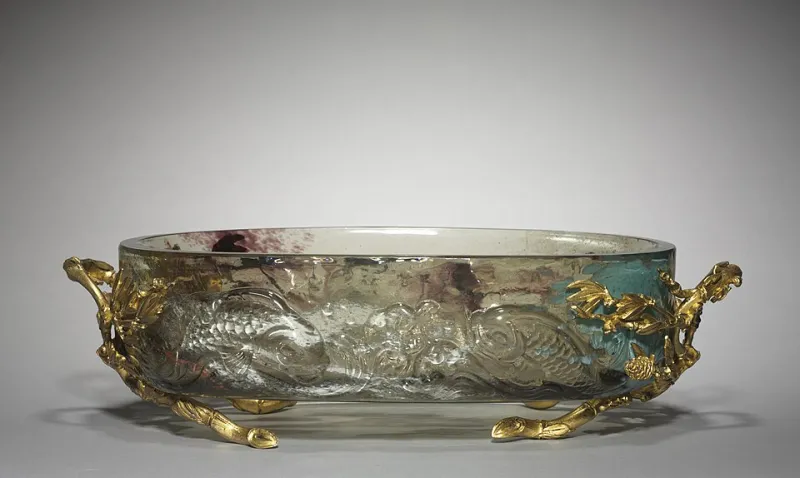
Photo: Eugène Rousseau, CC0, via Wikimedia Commons
The Question Beneath the Question
When a hiring manager at a premium Japanese home goods retailer asks a candidate to explain why a particular lacquerware bowl is priced the way it is, they are rarely interested in the candidate's arithmetic. What they are listening for is something more elusive — an understanding of the values embedded in the object itself. The hours of craft. The regional tradition. The philosophy of use that distinguishes a vessel meant to be held from one merely meant to be filled.
This is the quiet revolution unfolding across the American retail landscape, particularly within boutiques and flagship stores carrying Japanese-inspired home décor. The conventional hiring playbook — prioritize candidates with sales targets met, upselling experience, and customer throughput records — is being set aside in favor of a more nuanced evaluation. Employers are asking, in essence: does this person understand what these objects mean?
Why Products Are Becoming Texts
To work effectively within the philosophy that animates Japanese design retail, one must approach merchandise the way a careful reader approaches literature. A ceramic piece is not simply a bowl. It may carry the influence of wabi-sabi, the aesthetic that finds beauty in impermanence and imperfection. A textile might embody the principle of ma — the Japanese concept of negative space and the meaningful pause between things. A furniture line may reflect the discipline of shokunin, the lifelong commitment to craft mastery that Japanese artisans regard as both vocation and spiritual practice.
For a sales associate who understands none of this, the product is a price tag attached to an object. For one who does, it becomes a conversation — an invitation to connect a customer's aspirations with something genuinely meaningful. Retailers operating at the premium end of the American home décor market have recognized that the latter associate does not merely close transactions. They build the kind of trust that returns customers season after season.
This realization is reshaping job descriptions in ways that would have seemed unusual a decade ago.
The Unexpected Résumé
Across the country, hiring managers at culturally oriented home goods retailers are reporting something that defies conventional wisdom: the strongest candidates are not always coming from retail backgrounds. They are arriving from university programs in East Asian studies, philosophy, art history, and anthropology. They are career-changers who spent years in museum education, publishing, or cultural nonprofits. They are avid readers, thoughtful travelers, and self-taught enthusiasts who have spent considerable personal time understanding the traditions behind the objects they now wish to represent.
What unites these candidates is not a particular credential but a particular orientation — an intellectual curiosity that makes them genuinely interested in why things are made the way they are, and what that means for the people who live with them.
For liberal arts graduates who have long been told their degrees carry limited commercial value, this moment is worth noting carefully. The skills that allow someone to interpret a historical artifact, situate a design movement within its cultural context, or explain a philosophical concept in accessible language are precisely the skills that premium retailers in this space are struggling to find.
What Cultural Literacy Looks Like on the Floor
In practice, cultural literacy in a retail environment manifests in moments that are easy to overlook but difficult to manufacture. It is the associate who, when a customer picks up a hinoki wood tray and comments on its scent, can explain not only that hinoki cypress has been used in Japanese bathhouses and temples for centuries, but why that association with purification and calm makes it particularly resonant in a contemporary American home. It is the colleague who understands that the asymmetry in a hand-thrown piece is not a flaw to apologize for but a feature to illuminate.
These are not scripted talking points. They emerge from genuine understanding, and customers — particularly those investing meaningfully in their living environments — can tell the difference immediately.
Retailers in this segment are increasingly building onboarding and training programs that assume cultural curiosity as a baseline rather than an afterthought. But they are also recognizing that training has limits. Intellectual engagement with material culture is difficult to instill in someone who does not already possess it. Hiring for it at the outset is proving far more effective.
A New Kind of Career Pathway
The implications for job seekers are substantial. If cultural literacy is now a genuine qualification for premium retail roles, then the pathway into this industry is far wider than it once appeared. A candidate does not need years of retail experience to demonstrate that they understand the difference between a product and an idea. They need to be able to articulate that understanding clearly, apply it in conversation, and remain curious enough to keep deepening it.
This also suggests that career development within Japanese-inspired retail is likely to reward those who invest in cultural knowledge over time. Associates who build genuine expertise in Japanese design history, craft traditions, and aesthetic philosophy are positioning themselves not only for floor-level roles but for positions in buying, curation, visual merchandising, and brand education — areas where that depth of knowledge becomes a strategic asset.
For employers, the challenge is learning to evaluate this kind of candidate fairly. Traditional interview processes, built around behavioral competencies and sales simulations, may not surface the qualities that matter most in this context. Some retailers are experimenting with portfolio-style conversations, asking candidates to bring objects of personal significance and explain them, or to walk interviewers through a space they find meaningful and articulate why.
A Different Kind of Fluency
Language, in the most literal sense, is not what is being asked for here. Fluency in Japanese is not a prerequisite for these roles, and cultural literacy should not be confused with cultural tourism — a surface familiarity that mistakes aesthetic preference for genuine understanding.
What retailers in this space are seeking is the capacity to hold an object in mind as something more than merchandise. To recognize that a customer standing in a store is not simply making a purchase but making a statement about how they want to live. And to meet that moment with knowledge, sincerity, and a genuine appreciation for the tradition that made the object possible.
For candidates who have spent their lives developing exactly that kind of attentiveness, the retail floor of a premium Japanese home décor brand may turn out to be a more natural home than they ever expected.