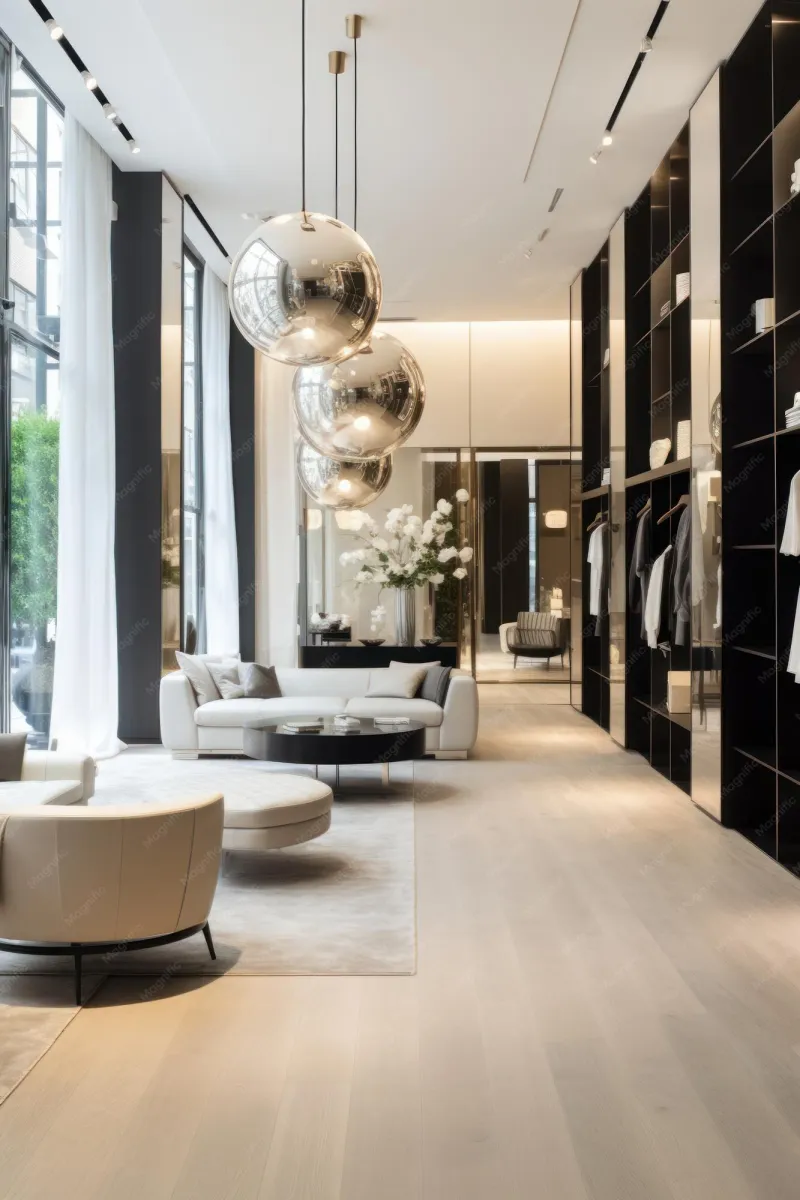
Illuminating Opportunity: Why Japanese Lighting Philosophy Is Becoming One of Retail's Most Sought-After Specializations
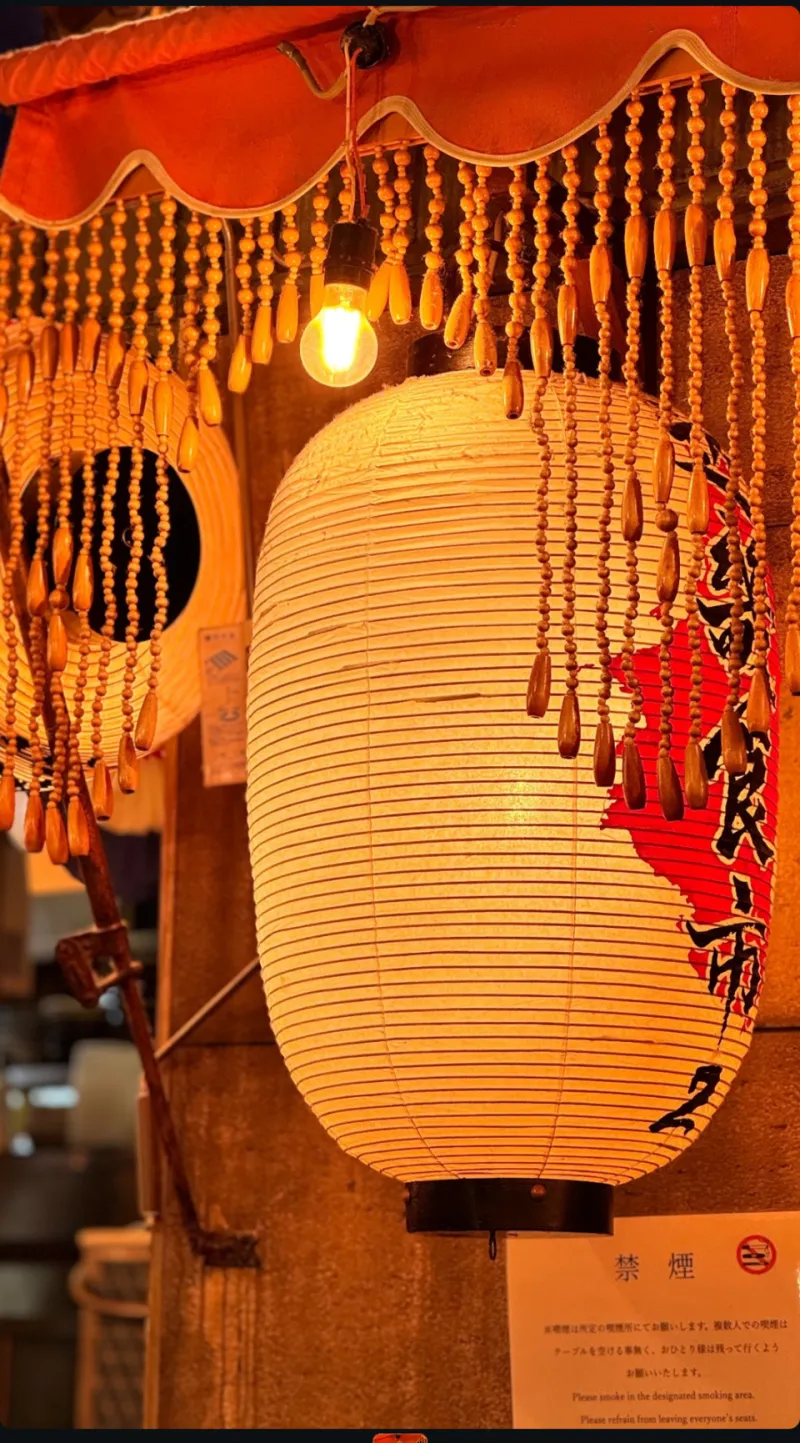
Photo: Raphoxrr, CC0, via Wikimedia Commons
In most American retail environments, lighting has long been treated as infrastructure — a functional necessity rather than a design statement. Fixtures are selected for brightness, bulbs are chosen for longevity, and the overarching goal is simple visibility. Yet within the growing world of Japanese-inspired luxury home retail, an entirely different philosophy governs how light is understood, deployed, and sold. For professionals who have taken the time to master that philosophy, the professional rewards are becoming increasingly difficult to ignore.
Across the United States, premium home retailers are actively recruiting individuals who can articulate not merely what a lamp does, but what it means. The distinction may sound abstract, but for employers operating in the upper tier of the home décor market, it represents a genuine and measurable competitive advantage.
The Philosophy Behind the Glow
Japanese lighting design is rooted in a sensibility that prizes subtlety, layering, and intentionality. Rather than flooding a room with a single overhead source, the Japanese approach treats light as a compositional element — one that works in concert with shadow, texture, and material to produce a coherent emotional atmosphere. Ambient light establishes the room's overall mood. Task lighting serves specific functional purposes without overwhelming the surrounding space. Accent lighting draws attention to form, grain, or craftsmanship in ways that reward careful observation.
This layered methodology draws from broader Japanese aesthetic principles, including the concept of ma — the productive use of negative space — and wabi-sabi, which finds beauty in imperfection and transience. When applied to illumination, these ideas translate into design choices that feel deeply considered: a warm pool of light cast across a handcrafted ceramic surface, a paper lantern that diffuses rather than directs, a recessed fixture that honors the architecture it occupies rather than competing with it.
For American consumers who are increasingly fatigued by maximalist interiors and the clinical brightness of mass-market retail, this approach carries significant appeal. And retailers have taken notice.
A Skillset the Market Is Actively Seeking
The demand for lighting specialists within the premium home retail sector has grown considerably over the past several years, and the profile of the ideal candidate has shifted accordingly. Where employers once prioritized general product knowledge or broad design awareness, many hiring managers are now seeking candidates with a demonstrated understanding of lighting's psychological and atmospheric dimensions.
In practice, this means that a candidate who can explain the difference between a 2700K and 3000K color temperature — and articulate why that distinction matters for the experience of a bedroom versus a dining area — has a meaningful advantage over one who cannot. More significantly, a candidate who understands how Japanese design philosophy informs those choices, and who can communicate that understanding to a customer in accessible, compelling terms, occupies a category of professional value that the market is only beginning to fully price.
Retailers operating in cities such as New York, Los Angeles, Chicago, and San Francisco have been among the earliest to formalize these expectations, incorporating lighting knowledge assessments into their interview and onboarding processes. But the trend is not confined to major metropolitan markets. As Japanese-inspired home design continues to gain traction in mid-sized cities and suburban communities across the country, the geographic footprint of this demand is expanding.
What This Means for Career Trajectory
For professionals currently working in home retail or considering an entry into the sector, the implications are worth examining carefully. Lighting consultation has traditionally been positioned as a niche service offering — a value-add provided by senior staff or outsourced to independent specialists. As that perception shifts, the role of the in-store lighting advisor is being reconceived as a core competency rather than an ancillary one.
This reconception has tangible effects on compensation. Professionals who can position themselves as lighting specialists — particularly those with fluency in Japanese design principles — are increasingly able to negotiate roles with elevated titles, expanded responsibilities, and salary structures that reflect their specialized knowledge. In some retail environments, lighting consultation has been formalized as a distinct service tier, creating a career pathway that did not exist in the same form even five years ago.
For those already working in design-adjacent retail roles, developing this specialization does not necessarily require formal credentialing, though coursework in interior lighting design or Japanese aesthetic philosophy can certainly strengthen a professional profile. What employers most consistently describe as valuable is the ability to synthesize — to connect a philosophical framework to a product recommendation, and to do so in a way that resonates with a customer who may have no prior exposure to Japanese design concepts.
Building the Knowledge Base
Professionals interested in developing a lighting specialization rooted in Japanese design philosophy have access to a growing range of resources. Academic programs in interior design at institutions such as the New York School of Interior Design and the Pratt Institute offer coursework that engages with lighting theory in depth. Online platforms including Coursera and LinkedIn Learning have expanded their offerings in both lighting design and Japanese aesthetic studies, providing accessible entry points for working professionals.
Beyond formal study, direct engagement with the material itself carries considerable value. Visiting showrooms that specialize in Japanese-influenced home goods, studying the work of influential Japanese lighting designers such as Isamu Noguchi, and cultivating an observational practice around how light behaves in different spatial contexts are all habits that sharpen the kind of sensory intelligence employers in this sector are seeking.
Reading widely in both design history and philosophy — including foundational texts such as Jun'ichirō Tanizaki's In Praise of Shadows, which remains one of the most eloquent explorations of the Japanese relationship to light and darkness ever written — provides the conceptual grounding that separates a technically proficient lighting advisor from a genuinely authoritative one.
The Broader Signal
The rise of lighting as a career differentiator within Japanese-inspired home retail reflects something larger than a single market trend. It points to a broader shift in what premium retail employers value: not simply product familiarity, but design literacy; not merely customer service aptitude, but the capacity to guide a customer through an experience that is as much emotional as it is commercial.
For the professional willing to invest in that kind of depth, the current moment represents a genuinely favorable convergence of supply and demand. The knowledge exists to be acquired. The market is positioned to reward it. And the career pathways being created by this specialization are, for now, still relatively uncrowded.
In a sector defined by refinement and intention, the ability to speak fluently about light — its quality, its behavior, its meaning — may prove to be one of the most luminous professional investments available to the next generation of American home retail professionals.