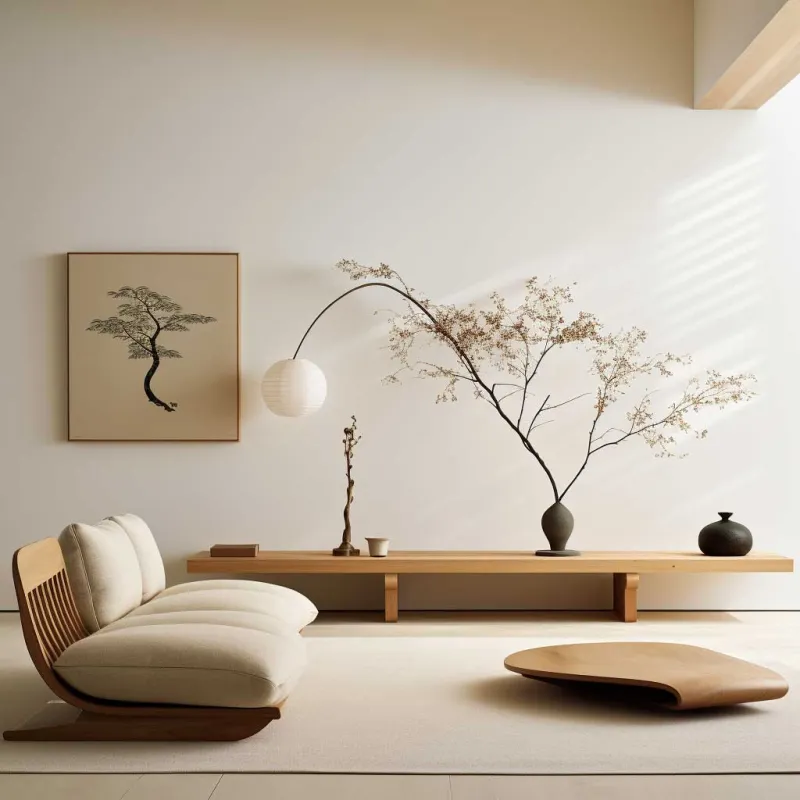
The Quiet Craft: Interior Styling Is One of America's Most Overlooked Design Careers — and That Is Rapidly Changing
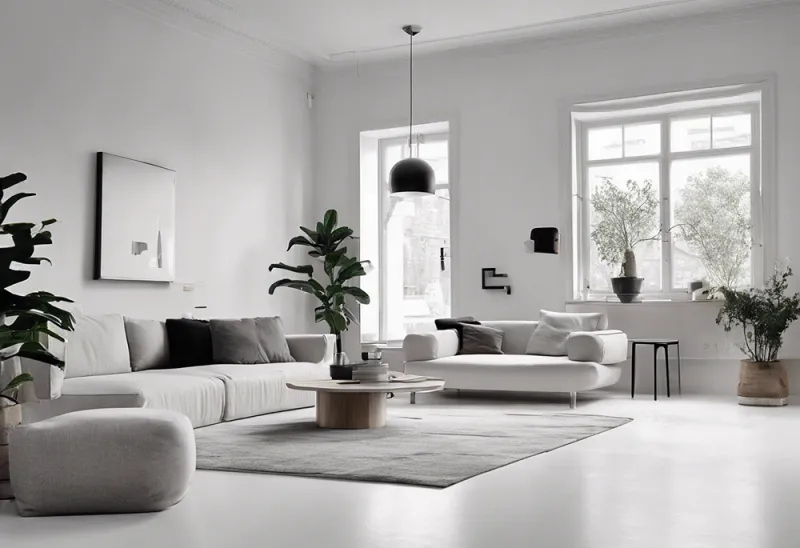
Photo: interior stylist arranging elegant minimalist home decor accessories display, via www.glasgowtradespeople.co.uk
A Title Without a Definition
Ask ten people to explain what an interior stylist does and you will receive ten different answers. Some will conflate the role with interior design. Others will picture a photo shoot, a staging company, or a television renovation program. The ambiguity is not accidental — interior styling has historically existed in the margins of the design industry, claimed by no single professional body and taught by no standardized curriculum.
That ambiguity, paradoxically, is part of what makes it such a compelling career entry point right now.
As the home décor retail sector in the United States matures and consumer expectations around in-store experience intensify, brands are discovering that they need professionals who can do something very specific: make spaces feel inhabited, aspirational, and emotionally resonant — without the structural or architectural mandate of a licensed designer. Interior stylists fill that gap with precision, and companies like Franc Franc are actively building teams around them.
Styling Versus Design: A Distinction Worth Understanding
The difference between interior design and interior styling is not merely semantic. Interior designers typically hold formal credentials, work within regulatory frameworks, and manage projects involving structural decisions, electrical plans, and contractor relationships. Their work is consequential in a legal and architectural sense.
Interior stylists operate in a different register. Their work is primarily visual and atmospheric. They select, arrange, and layer objects — furniture, textiles, lighting, decorative accessories — to create a specific emotional effect within an existing space. They do not move walls. They transform rooms.
In a retail context, this distinction becomes commercially significant. A brand like Franc Franc is not hiring stylists to redesign its stores. It is hiring them to ensure that every display surface, every product vignette, and every lifestyle tableau communicates the brand's aesthetic philosophy with precision and consistency. That is a specialized skill, and it requires a particular kind of visual intelligence.
"Styling is about editing as much as it is about adding," says one interior stylist who works across Franc Franc's West Coast showroom locations. "You are constantly asking what serves the story and what creates noise. The discipline is in the restraint."
What the Work Actually Looks Like
The daily reality of an interior stylist in a home décor retail environment is varied and frequently collaborative. On any given week, a stylist might be:
- Executing seasonal floor resets, reconfiguring product arrangements to reflect a new collection or thematic direction
- Creating lifestyle vignettes that suggest how products function together in a real home — a breakfast tray beside a ceramic mug, a linen throw draped across a reading chair
- Supporting visual merchandising strategy, working alongside store managers to ensure that high-priority products receive appropriate spatial emphasis
- Consulting on window displays or entrance installations that communicate the brand's current aesthetic story to passersby
- Collaborating with marketing teams on in-store photography setups for digital content
At Franc Franc, the work carries an additional layer of cultural intentionality. Stylists are expected to understand and honor the Japanese design principles that underpin the brand — concepts like kanso (simplicity), fukinsei (asymmetry), and seijaku (tranquility) — and translate them into spatial arrangements that resonate with American consumers without losing their cultural integrity.
Salary Expectations and Market Reality
Interior styling as a standalone retail career is still establishing its compensation benchmarks in the United States. Entry-level stylists working within home décor retail environments typically earn between $38,000 and $52,000 annually, depending on market and employer. Mid-level professionals with three to five years of experience and a demonstrable portfolio can expect salaries in the $55,000 to $75,000 range. Senior stylists and visual merchandising directors at established brands frequently exceed $85,000, with some roles in major metropolitan markets reaching six figures.
Freelance styling work — which many professionals pursue alongside or instead of in-house roles — commands day rates that vary considerably by project type, client, and geography. Product stylists working with e-commerce brands or editorial clients in markets like New York and Los Angeles often earn $500 to $1,200 per day.
The field rewards portfolio quality over credential accumulation. A stylist with a strong body of photographic work and demonstrable aesthetic range will consistently outperform one with formal training but limited visual evidence of their capabilities.
Breaking In: Practical Pathways for Career Changers
One of the most encouraging characteristics of interior styling as a career is the diversity of backgrounds from which successful practitioners have arrived. Former retail associates, visual merchandisers, fashion stylists, photographers, and even event designers have made the transition successfully. The common thread is not a specific degree — it is a developed visual sensibility and the discipline to articulate it.
For job seekers interested in pursuing interior styling roles at brands like Franc Franc, the following steps represent a practical starting point:
Build a visual portfolio before you need one. Style your own home, offer to help friends with their spaces, or volunteer for local design events. Document everything with quality photography. The portfolio is your primary credential in this field.
Develop fluency in the aesthetics of the brands you want to work for. Study Franc Franc's visual language — its color palette, its material preferences, its spatial rhythms. Demonstrate in interviews that you understand not just what the brand looks like but why it looks that way.
Seek assistant or junior roles without ego. Many working stylists began as retail sales associates or visual merchandising assistants. The proximity to the work is more valuable than the title.
Invest in continuing education selectively. While no certification is required, short courses in color theory, spatial composition, and photographic styling can accelerate skill development and signal professional seriousness to employers.
Why This Moment Matters
The convergence of several forces — the growth of Japanese lifestyle retail in the US market, the elevation of in-store experience as a competitive differentiator, and a broader cultural appetite for intentional, beautiful domestic spaces — has created a genuine talent gap in interior styling. The professionals who position themselves thoughtfully now will find themselves in significant demand as that gap widens.
Franc Franc's expansion across the United States is not simply a retail story. It is, for the right candidates, a career opportunity dressed in linen and lit with considered restraint — waiting, quietly, to be discovered.