5 Emerging Careers in Japanese-Inspired Home Design That Are Quietly Thriving Across the United States
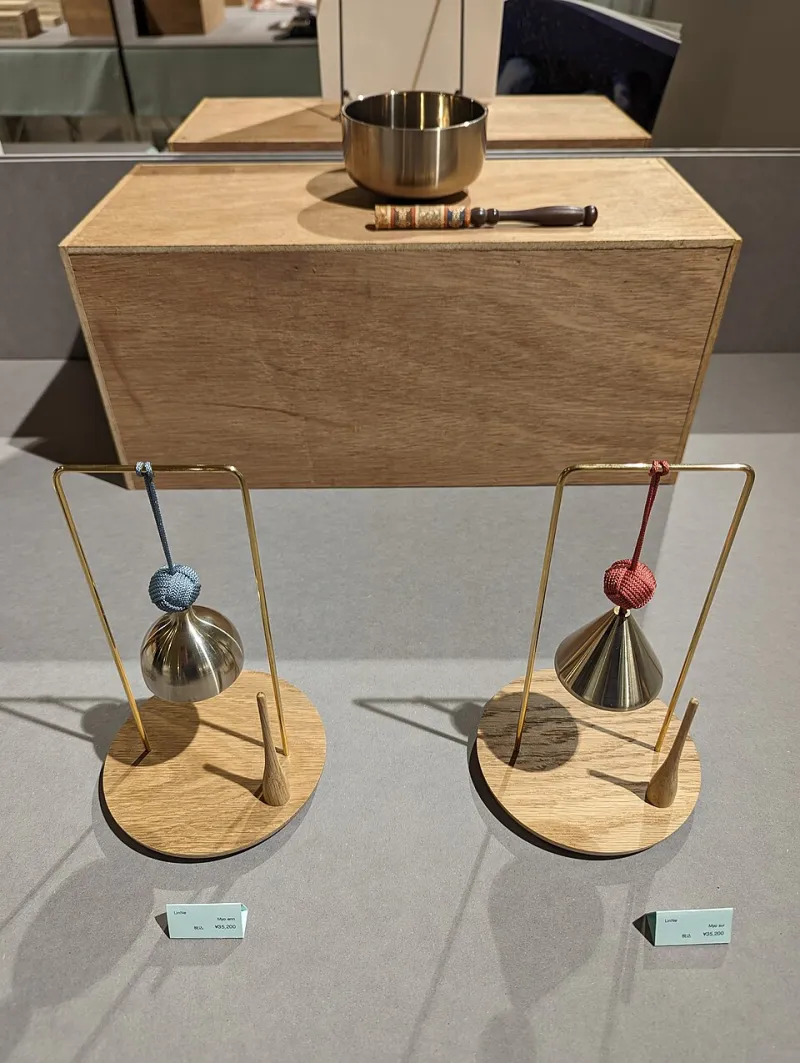
Photo: Syced, CC0, via Wikimedia Commons
It began, for many Americans, with a paperback book about tidying up. Then came the streaming documentaries, the minimalist Instagram feeds, the sudden mainstream embrace of shoji screens and hinoki wood bath accessories. What started as a design curiosity has matured into a durable market force — and where sustained consumer demand exists, careers follow.
The American appetite for Japanese-influenced home aesthetics is no longer niche. It is woven into mainstream retail, interior design, wellness culture, and sustainable living movements in ways that have created genuine, compensated professional opportunities. At Franc Franc Careers, we spend considerable time tracking the intersection of design culture and employment trends. What follows is a close look at five roles that are generating real income for creative professionals across the country — and how you might realistically enter each one.
1. Minimalist Interior Consultant
What the role involves: Minimalist interior consultants work with residential and commercial clients to redesign spaces according to principles of intentional simplicity — often drawing heavily from Japanese aesthetic frameworks like kanso, ma, and shizen (naturalness). Unlike traditional interior designers, who typically focus on furnishing and decoration, minimalist consultants frequently begin by removing: excess furniture, visual clutter, and anything that disrupts spatial harmony.
This role sits at the intersection of interior design, organizational consulting, and lifestyle coaching. Clients range from urban apartment dwellers in New York and San Francisco to suburban homeowners in the Midwest seeking a deliberate departure from maximalist décor trends.
Salary range: Freelance consultants typically charge between $75 and $250 per hour, depending on market and experience level. Established practitioners in major metropolitan areas often earn between $60,000 and $110,000 annually.
How to break in: A background in interior design, architecture, or even professional organizing provides a strong foundation. Certifications from organizations such as the National Council for Interior Design Qualification (NCIDQ) add credibility. Building a portfolio that visually demonstrates before-and-after spatial transformations is essential for attracting clients. Social media presence — particularly on platforms like Instagram and Pinterest — remains one of the most effective marketing channels in this space.
2. Sustainable Tatami and Natural Fiber Flooring Specialist
What the role involves: Traditional tatami — the woven rush-grass flooring central to Japanese domestic architecture — has found an unexpected audience among American consumers drawn to natural, sustainable materials. Tatami restoration specialists and natural fiber flooring consultants advise on sourcing, installation, and maintenance of tatami, seagrass, jute, and similar materials for residential projects.
This is a genuinely rare skill set in the American market, which means practitioners face very little direct competition. The work is hands-on and craft-oriented, appealing to those who prefer tactile, physical work over desk-bound roles. Clients are often high-income homeowners, boutique hotel developers, and wellness retreat operators investing in authentically crafted environments.
Salary range: Entry-level roles in flooring installation average around $40,000 to $55,000 annually. Specialists with expertise in Japanese natural fiber materials and restoration techniques — particularly in markets like Los Angeles, Seattle, or New York — can command $70,000 to $95,000 or more, especially when working with luxury residential clients.
How to break in: Apprenticing with an established flooring contractor is the most direct entry point. Supplementing that hands-on training with research into traditional Japanese tatami construction methods — including sourcing authentic igusa rush grass from suppliers — distinguishes a generalist installer from a genuine specialist. Networking within the sustainable building and biophilic design communities accelerates client acquisition significantly.
3. Wabi-Sabi Product Photographer
What the role involves: E-commerce has fundamentally changed how home goods are sold, and photography is the primary language of online retail. A growing cohort of product photographers has carved out a distinct niche by specializing in the visual language of wabi-sabi aesthetics — imperfect textures, natural light, asymmetric compositions, and the quiet beauty of handcrafted objects. Brands selling ceramics, linen textiles, wood furniture, and artisan home accessories actively seek photographers who understand this visual grammar.
This is not standard product photography. It requires a genuine sensibility for restraint, an understanding of how negative space functions compositionally, and an ability to make the imperfect feel intentional rather than accidental.
Salary range: Freelance wabi-sabi product photographers working with mid-range lifestyle brands typically earn $500 to $2,500 per day rate, depending on project scope. Those with established client rosters in the home goods sector can generate $65,000 to $120,000 annually. Retainer arrangements with e-commerce brands provide particularly stable income.
How to break in: A strong portfolio is non-negotiable. Before approaching clients, build a personal body of work that demonstrates your fluency in this specific aesthetic — photograph your own curated still-life arrangements, collaborate with small ceramicists or independent textile makers, and publish that work consistently. Platforms like Behance and a well-designed personal website are your primary calling cards. Reaching out directly to small Japanese-inspired home goods brands seeking to upgrade their visual identity is often more effective than applying through job boards.
4. Japanese Garden and Landscape Design Consultant
What the role involves: Demand for Japanese-inspired garden design has expanded well beyond the traditional tea garden installations found in botanical parks. Homeowners, corporate campuses, and hospitality developers across the United States are increasingly commissioning landscape projects that incorporate karesansui (dry rock gardens), moss gardens, koi ponds, bamboo groves, and tsukubai water basins. Consultants in this space advise on spatial planning, plant selection, stone sourcing, and the philosophical principles that distinguish an authentic Japanese garden from a loosely themed landscape.
This role rewards those who combine horticultural knowledge with a genuine understanding of Japanese spatial philosophy. It is also a field where craftsmanship and cultural literacy carry more weight than formal credentials alone.
Salary range: Landscape designers specializing in Japanese aesthetics typically earn between $55,000 and $90,000 annually in salaried roles, with senior practitioners at landscape architecture firms earning considerably more. Independent consultants on high-end residential projects often bill at $150 to $300 per hour.
How to break in: A degree in landscape architecture or horticulture provides a strong technical foundation. Supplementing that with study of Japanese garden history and philosophy — through resources like the Sakuteiki, a foundational Japanese garden design text — demonstrates the cultural depth that premium clients expect. Visiting and photographing established Japanese gardens across the US (the Portland Japanese Garden in Oregon and the Huntington Japanese Garden in California are exceptional references) builds both knowledge and portfolio material.
5. Japanese Lifestyle Brand Retail Buyer
What the role involves: As Japanese home and lifestyle brands expand their American retail footprint — through both brick-and-mortar stores and e-commerce channels — the demand for retail buyers with fluency in Japanese aesthetic values and supply chain relationships has grown considerably. These buyers source products that align with a brand's design philosophy, negotiate with manufacturers and artisans, and curate the assortment that ultimately defines the customer experience.
At companies like Franc Franc, this role is central to brand identity. A buyer who understands why a particular ceramic glaze or a specific linen weight matters — not just commercially, but aesthetically — brings a quality of judgment that purely data-driven sourcing cannot replicate.
Salary range: Entry-level retail buying roles at lifestyle brands typically start between $45,000 and $60,000 annually. Experienced buyers with established supplier networks and a track record of successful assortment performance can earn $80,000 to $130,000, particularly at brands operating at the premium end of the market.
How to break in: Retail buying typically requires experience in merchandising, product development, or retail management. Developing fluency in Japanese design culture — through travel, study, or sustained professional engagement with Japanese brands — is a genuine differentiator in this field. A working knowledge of import logistics, trade compliance, and supplier relationship management rounds out the skill set that hiring managers at Japanese-influenced lifestyle brands actively seek.
The Broader Opportunity
What these five roles share is a common foundation: they are all built on the recognition that Japanese design philosophy is not a passing aesthetic trend in the American market. It is a sustained cultural conversation about how we want to live — with more intention, more beauty, and less noise.
For career changers and creative professionals willing to develop genuine expertise in this space, the opportunities are both financially viable and deeply meaningful. At Franc Franc Careers, we are committed to connecting talented individuals with the roles, resources, and community that make that kind of work possible.
Explore our current openings and take the first step toward a career shaped by the same values that define everything we do.