What You Love Outside the Store: How Adjacent Passions Are Becoming the Most Persuasive Credentials in Premium Retail Hiring
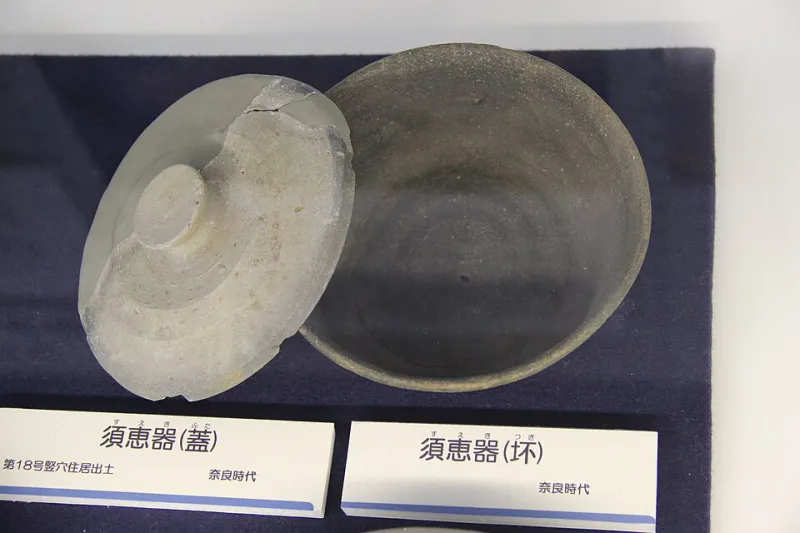
Photo: Gary Todd from Xinzheng, China, CC0, via Wikimedia Commons
There is a particular kind of candidate who arrives at a luxury retail interview without an obvious credential. They may not have spent years on a showroom floor. Their résumé may not list a degree in interior design or a certificate in visual merchandising. What they carry instead is something more difficult to quantify: a sustained, disciplined passion for a craft that exists entirely outside the products they are being asked to sell.
In an unexpected development that is reshaping how premium home retailers approach talent acquisition, this profile — the candidate with deep knowledge of something adjacent — is becoming one of the most sought-after in the industry.
The Paradox at the Heart of Premium Retail Hiring
At first glance, it seems counterintuitive. Why would a retailer selling curated home furnishings place value on a candidate's knowledge of Japanese ceramics, natural textile dyeing, or the formal practice of chado — the way of tea — when none of those disciplines appear directly on the product floor?
The answer lies in what those disciplines communicate about the person who holds them.
Hiring managers at premium lifestyle brands are increasingly articulate about this distinction. They are not simply filling roles; they are assembling a team capable of embodying a philosophy of living. A candidate who has spent years studying the relationship between form and function in handmade pottery brings to the sales floor a sensitivity that no product training manual can instill. They understand proportion, restraint, and intentionality not as abstract concepts but as lived experiences.
This is the curator's paradox: the most valuable knowledge a candidate possesses may be knowledge that never directly touches the inventory.
Why Japanese Design Culture Creates This Dynamic
The Japanese aesthetic tradition is unusually well-suited to producing this kind of cross-disciplinary depth. Concepts such as wabi-sabi — the acceptance of imperfection and transience — or ma, the deliberate use of negative space, do not belong exclusively to interior design. They appear in textile work, in woodworking joinery, in the arrangement of a tea setting, in the rhythm of a craft practice sustained over many years.
For brands whose identity is grounded in this philosophical tradition, a candidate who has engaged with any one of these disciplines seriously is demonstrating something essential: that they do not merely admire the aesthetic from a distance. They have lived inside it. They have made decisions about material, proportion, and silence with their own hands.
This kind of embodied understanding is increasingly what premium retailers mean when they describe a candidate as possessing "refined taste." It is not a matter of having read the right books or visited the right galleries. It is the fluency that comes from sustained, disciplined practice in a field that shares philosophical roots with the brand's own identity.
The Disciplines That Are Drawing Attention
Several adjacent areas of expertise have emerged as particularly compelling to hiring managers in the premium home retail space.
Ceramics and Pottery: A candidate with a serious practice in ceramics brings an intimate understanding of materiality — how clay responds to the hand, how glaze interacts with form, how a finished object holds or releases light. This knowledge translates directly into the ability to speak about ceramic homeware with authority and genuine feeling rather than rehearsed description.
Natural Textiles and Fiber Arts: Knowledge of weaving, natural dyeing, or fabric construction gives a candidate a vocabulary for discussing textiles that goes far beyond thread count or color name. They understand why a linen behaves differently from a cotton, why certain dyeing traditions produce colors that age rather than fade, why handwoven goods carry a visual irregularity that is a mark of quality rather than inconsistency.
Woodworking and Joinery: An understanding of wood — its grain, its movement, its relationship to humidity and light — is perhaps the most transferable adjacent knowledge in home furnishings retail. A candidate who has worked with wood by hand understands furniture construction at a level that transforms how they present and discuss pieces to a discerning customer.
Tea Culture and Ceremony: Chado, the formal Japanese practice of tea, is among the most philosophically rich of these adjacent disciplines. It encompasses spatial awareness, material sensitivity, seasonal consciousness, and the ethics of hospitality. A candidate familiar with its principles brings to the retail floor an understanding of how objects, environment, and human interaction are designed to work together — a perspective that is directly applicable to the experience a premium home brand seeks to create.
What This Means for Candidates Entering the Market
For job seekers approaching the premium home retail sector, this shift carries a practical implication: the experiences and pursuits you may have considered private or professionally irrelevant deserve a place in your professional narrative.
If you have spent years attending a ceramics studio, you possess knowledge that a hiring manager in this industry will find genuinely compelling. If you have studied natural dyeing, or built furniture by hand, or practiced the formal discipline of tea ceremony, these are not hobbies to be minimized on an application. They are credentials — unconventional ones, perhaps, but credentials that speak directly to the philosophical alignment premium retailers are actively seeking.
The key is in how these experiences are framed. A candidate who describes their ceramics practice as something they "do on weekends" is presenting it as peripheral. A candidate who explains how their ceramics practice has shaped the way they perceive proportion, weight, and material honesty is presenting it as a lens — one that will inform every conversation they have on the sales floor.
The Longer View on Taste as a Professional Asset
What is emerging in premium retail hiring is a more sophisticated understanding of what constitutes professional preparation. The candidate who spent two years in a formal retail training program and the candidate who spent two years studying traditional woodworking joinery are both prepared — but they are prepared differently, and for a brand with a strong philosophical identity, the second candidate may offer something the first cannot.
This does not diminish the value of direct retail experience. Customer service skills, operational fluency, and product knowledge remain essential. But in a hiring environment where premium brands are increasingly differentiated by the depth of their cultural identity rather than the breadth of their inventory, the candidate who brings a practiced, personal understanding of adjacent craft disciplines is offering something rare.
They are demonstrating that their relationship with the aesthetic is not professional in origin. It is personal, sustained, and genuine — and in the world of luxury home retail, that distinction matters enormously.
For those considering a career with brands that take design philosophy seriously, the invitation is clear: bring the whole of what you know. The craft you practice quietly, the discipline you have pursued without commercial motivation, the adjacent expertise you have never thought to mention in a professional context — these may be precisely what a thoughtful hiring manager is waiting to hear about.