Your Living Room Is Talking: What Curated Spaces Communicate to Premium Retail Employers
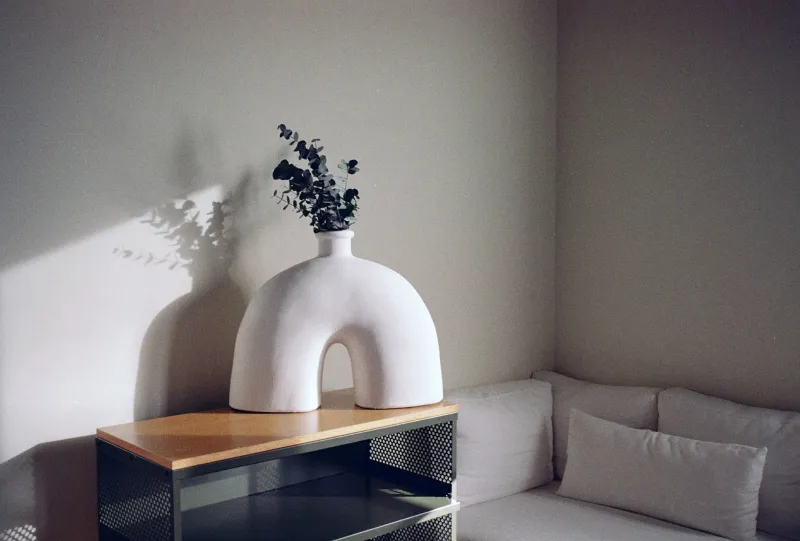
There is a quiet paradox at the heart of premium home retail hiring in the United States. Brands ask candidates to demonstrate an eye for proportion, an instinct for texture, a feeling for how a room should breathe — and then they evaluate all of it through a one-page résumé and a thirty-minute interview. It is a bit like hiring a chef without tasting the food.
Some candidates have started to close that gap in a novel way: by treating their own living spaces as part of the application. Not because employers demand it, but because a thoughtfully composed home is, in effect, a portfolio that already exists. The question is how to present it well — and how to do so without overstepping.
Why the Space You Keep Matters More Than Ever
American consumers have grown more discerning about the objects they bring home. The rise of curated marketplaces, secondhand luxury platforms, and design-literate social media has produced a customer base that can spot the difference between a styled vignette and a genuine point of view. Retailers know this. They need floor associates and visual coordinators who don't merely describe products but understand why a linen throw belongs beside a matte ceramic vase and not a lacquered one.
A candidate's home is where that understanding is practiced daily. The choice to keep a hallway uncluttered, to edit a bookshelf rather than fill it, to live with one good lamp instead of four mediocre ones — these decisions reveal a design philosophy in a way that a skills section cannot. Hiring managers in premium décor increasingly recognize this, even if most are too discreet to say so outright.
What Employers Can — and Cannot — Ask
Here is where candidates and companies both need clarity. Under Title VII and related employment law, employers may not ask about your living situation, whether you own or rent, or request to see your home. Questions about personal circumstances that could reveal protected characteristics are off the table in any context.
What employers can do is evaluate work-relevant evidence. If you volunteer a portfolio — photographs of table settings you styled, a reading corner you designed, a seasonal display you arranged for a community space — that becomes legitimate material, much like a graphic designer's mockups. The distinction is consent and relevance. You choose what to share; the employer evaluates what you shared.
For candidates, this means the burden of curation falls on you, which is precisely what makes it an opportunity.
How to Frame Taste Without Pretension
The greatest risk in presenting your home as a credential is sounding like you're auditioning for a magazine rather than a sales floor. American hiring culture rewards humility; premium retail rewards discernment. The trick is to frame your environment as evidence of curiosity, not superiority.
Consider the difference between two framings. "My apartment has been featured in my design blog's follower stories" centers you. "I spent two years learning how natural light moves through my south-facing windows, and it changed how I merchandise my own shelves" centers a transferable skill: observation. The second version is the one that resonates in an interview for a brand like Franc franc, where the ethos is about helping customers shape lives, not impressing them.
A few practical guidelines:
- Document deliberately, not exhaustively. Three or four images of a single, well-considered corner outperform twenty photos of a whole apartment.
- Attach a sentence of reasoning to each image. Why this arrangement? What problem did it solve? Reasoning is what separates taste from decoration.
- Include imperfection. A space that shows a work-in-progress reads as honest. A space that looks untouched reads as unrelatable — and customers can tell the difference on the floor.
- Keep it optional in your own mind. Offer it as a supplement, not a centerpiece. Confidence reads better than need.
Candidates Who Styled Their Way In
The pattern is no longer hypothetical. Visual merchandising recruiters in New York and Los Angeles report that applicants increasingly include personal styling work — often of their own apartments — in portfolios, and that these submissions generate noticeably higher callback rates. One hiring manager at a national home goods chain described a candidate whose portfolio consisted of six photographs of a rented studio transformed with removable shelving, thrifted ceramics, and a disciplined color palette. The images themselves were unremarkable. The accompanying notes — explaining budget constraints, lighting limitations, and how the arrangement guided a guest's eye — were what earned the interview.
Another candidate, applying for a sales role at a Japanese-inspired lifestyle retailer, submitted a single image: her entryway, with a single bench, one hook for each family member, and a shallow tray for keys. Her caption read, "I believe the first three feet of a home set the tone for everything after." The hiring team later admitted that line was quoted in her interview more than anything on her résumé.
What both candidates understood is that premium retail sells atmosphere. Demonstrating that you can create it — even in a 400-square-foot rental — is the most direct proof of capability available.
The Deeper Argument
Some will object that a person's home reflects their budget as much as their taste. That objection deserves a serious answer: it does, partially. But the strongest submissions are never about expensive objects. They are about decisions made within constraints — the renter who cannot paint, the parent whose living room doubles as a playroom, the student working with dorm furniture. Constraints, in fact, often produce the most persuasive evidence, because they show resourcefulness, which is exactly what a sales floor demands.
There is also a cultural argument worth making. Japanese design traditions — the sensibility behind brands like Franc franc — treat the home as an expression of care and intention, not consumption. Bringing that philosophy into a job application is not a gimmick. It is a demonstration that you understand what the company, and its customers, are actually buying.
Your résumé lists what you have done. Your space shows how you think. In a hiring landscape where design sensibility is increasingly the differentiator, the most compelling application you may ever submit is already around you — it simply needs to be seen, framed, and offered with intention.