Where Arrival Becomes Experience: How Japanese Entryway Philosophy Is Redefining First Impressions in Retail—and Accelerating Careers
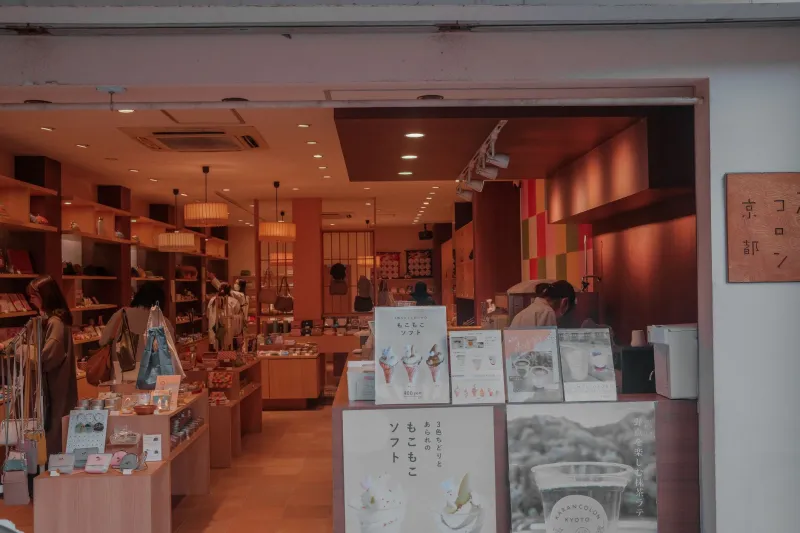
There is a moment, familiar to anyone who has stepped into a well-designed space, when the act of entering itself becomes meaningful. The air shifts. The noise of the outside world recedes. Something in the architecture communicates, without a single word, that you have crossed into a different kind of place. In Japan, this moment is not accidental. It is architecturally and culturally codified in a concept known as the genkan.
For American premium retailers—particularly those operating in the home décor and lifestyle categories—this philosophy is no longer a distant cultural reference. It is an active design strategy. And for professionals who understand it, the genkan is quietly becoming one of the most career-relevant concepts in the industry.
What the Genkan Actually Means
The genkan is the transitional entryway found in traditional Japanese homes and, increasingly, in contemporary commercial spaces. It is neither fully inside nor fully outside. It is a liminal zone—a threshold space that asks the visitor to pause, to shed something of the exterior world, and to prepare themselves for what lies within.
In residential architecture, this might involve removing shoes, shifting posture, or simply slowing one's pace. The genkan is not decorative in the conventional Western sense. It is functional at a psychological level. It signals that the space beyond has been considered, that it holds a particular kind of attention, and that the visitor is invited to meet that attention with their own.
When translated into retail environments, this principle carries enormous commercial weight. A customer who enters a store and immediately encounters a thoughtfully constructed threshold experience—one that slows their movement, engages their senses, and communicates brand identity before a single product is visible—is a customer whose receptivity has already been elevated.
How This Philosophy Is Entering the American Retail Conversation
Across the United States, premium home goods retailers are investing significantly in what designers and brand strategists call the "entry sequence." This is the curated experience of the first fifteen to thirty feet inside a store—the visual, tactile, and even olfactory signals that shape a customer's emotional state before they begin to browse.
This shift is not merely aesthetic. Research in environmental psychology consistently demonstrates that the quality of an initial spatial experience influences purchasing behavior, dwell time, and brand perception in measurable ways. Retailers who have absorbed this research are now approaching store design with a precision that would have seemed excessive to earlier generations of retail professionals.
The genkan framework provides a philosophical vocabulary for this precision. Rather than asking, "How do we make the entrance look appealing?" designers and merchandisers trained in Japanese spatial thinking ask a more layered question: "What should a customer feel, release, and anticipate as they cross this threshold?" That reframing changes everything about how a space is conceived.
The Career Implications of Threshold Literacy
For professionals working in or aspiring to roles in premium retail, understanding the genkan concept is not simply an exercise in cultural appreciation. It is a practical competency with direct implications for career advancement.
Visual merchandisers who can articulate how threshold design influences customer psychology bring a dimension to their work that transcends product placement. They become spatial strategists. Store planners who approach entry sequences with an understanding of transitional architecture—rather than treating the entrance as simply the first display zone—are able to contribute to conversations that typically happen at the brand and design leadership level.
Customer experience specialists who understand why a customer's first thirty seconds in a space determine so much of what follows are better equipped to train sales teams, evaluate store performance, and propose meaningful improvements. The genkan framework gives these professionals a coherent, defensible rationale for recommendations that might otherwise seem intuitive or difficult to quantify.
In hiring contexts, candidates who can speak to this kind of spatial intelligence—who can describe how transitional design affects customer behavior and explain the principles behind it—distinguish themselves from peers who approach retail environments primarily through a product or inventory lens.
Practical Ways to Develop This Competency
For professionals who want to bring threshold literacy into their skill set, the entry point is more accessible than it might appear.
Begin by observing retail environments with deliberate attention to the entry sequence. Walk into a premium home goods store and resist the impulse to move immediately toward the merchandise. Instead, stand at the threshold and notice what the space is communicating. Is there a change in flooring material? A shift in lighting temperature? A subtle fragrance, a reduction in ambient noise, a deliberate absence of promotional signage? Each of these choices—or their absence—reflects a philosophy about what arrival should feel like.
Next, study the vocabulary. Familiarize yourself with terms like ma (the Japanese concept of meaningful negative space), wabi-sabi (the aesthetic of impermanence and imperfection), and omotenashi (the spirit of wholehearted hospitality). These concepts are increasingly referenced in premium retail design briefs, brand guidelines, and customer experience frameworks. Fluency in this vocabulary signals seriousness of engagement.
Finally, practice articulating what you observe. The ability to describe a spatial experience—to explain not just what a space looks like but what it does to the person who enters it—is a communication skill that translates directly into interviews, performance reviews, and client-facing conversations.
Why This Matters at the Leadership Level
As premium home retailers in the United States continue to differentiate themselves through experience rather than product alone, the professionals who rise into leadership will increasingly be those who understand the full arc of a customer's time in a space—from the moment of arrival to the moment of departure.
The genkan is, in this sense, more than a design principle. It is a reminder that every meaningful experience has a beginning—and that the quality of that beginning shapes everything that follows. Retailers who have internalized this truth are building entry sequences with the care of architects. They are looking for team members who can contribute to that vision with both sensitivity and strategic clarity.
For career-minded professionals in the premium home retail sector, threshold literacy is an investment worth making. It connects individual spatial awareness to broader brand philosophy, and it positions those who possess it as contributors to the conversations that shape how stores are designed, how customers are welcomed, and ultimately, how brands endure.
The door is open. How you understand that moment may define where your career goes next.