Fluent in Form: Why Mastering Japanese Design Terminology Is Becoming a Career Differentiator in American Premium Retail
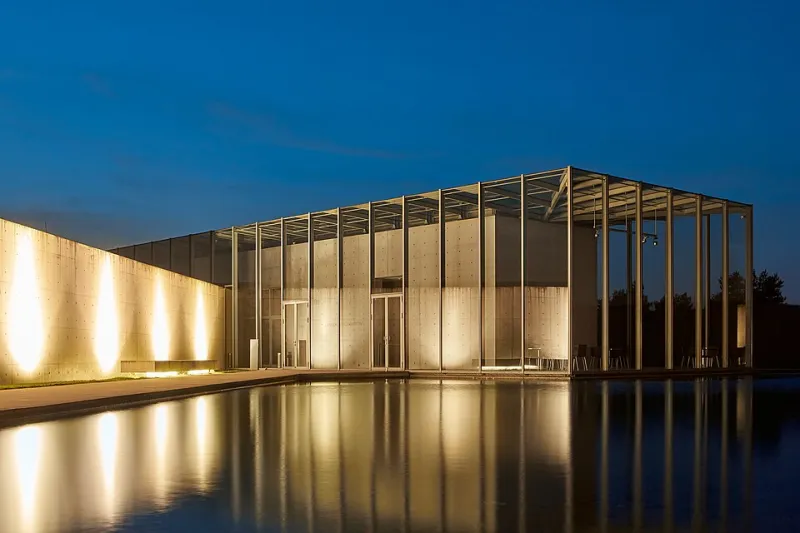
Photo: Anıl Öztaş, CC BY-SA 4.0, via Wikimedia Commons
There is a moment that experienced hiring managers in premium home décor describe with remarkable consistency: the moment a candidate stops listing product features and begins discussing the philosophy behind them. It is, by most accounts, the moment an interview changes register entirely.
Across the United States, Japanese-inspired lifestyle and home décor brands are growing in both footprint and cultural influence. As they expand into new markets — from flagship stores in major metropolitan areas to carefully curated boutique outposts in secondary cities — they are actively seeking professionals who do not merely understand what they sell, but why it is designed the way it is. At the center of that distinction lies a set of Japanese design concepts that are rapidly becoming essential vocabulary for anyone pursuing a serious career in this sector.
Why Philosophical Vocabulary Signals Professional Commitment
For American professionals accustomed to retail environments driven by conversion rates and promotional calendars, the emphasis on design philosophy may initially seem abstract. It is not. When a hiring manager at a premium lifestyle brand asks a candidate to describe the feeling a room should evoke, they are not looking for adjectives. They are listening for evidence of a conceptual framework — a way of seeing and communicating about space that goes beyond the aesthetic and into the intentional.
Fluency in Japanese design terminology signals several things simultaneously. It demonstrates that a candidate has invested time in understanding the cultural and philosophical roots of the products they hope to represent. It suggests an ability to translate abstract principles into meaningful customer conversations. And it indicates a level of intellectual seriousness that brands operating at the premium end of the market regard as non-negotiable.
This is not credentialism for its own sake. It is a practical competency — one that shapes how professionals describe merchandise, configure displays, advise clients, and ultimately build the kind of trust that drives sustained customer relationships.
Ma: The Career Implications of Negative Space
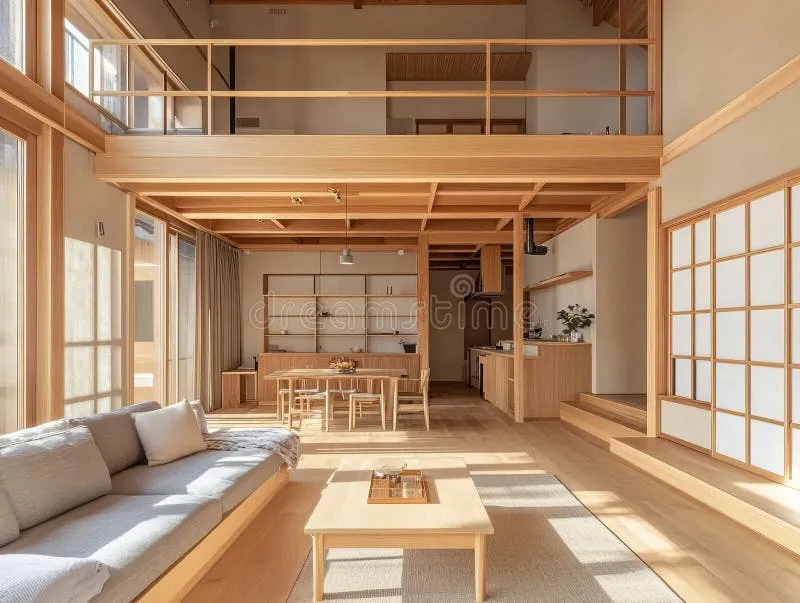
Perhaps no concept from the Japanese design tradition has traveled as far into American professional consciousness as ma — broadly translated as negative space, pause, or interval. In spatial design, ma refers to the deliberate emptiness between objects, the breathing room that gives each element its full weight and presence. In retail environments influenced by Japanese aesthetics, it manifests in uncrowded shelving, considered product placement, and the discipline to resist filling every visual plane.
For professionals in visual merchandising, store design, or retail management, demonstrating an understanding of ma is increasingly consequential. Being able to articulate why a display works precisely because of what it omits — rather than what it contains — reflects a maturity of visual thinking that distinguishes candidates who have genuinely studied the philosophy from those who have merely observed the style.
In practical terms, this might mean discussing how a particular product arrangement creates a moment of stillness that invites closer examination, or explaining how reducing density in a display actually increases perceived value. These are not abstract observations. They are the kind of insights that translate directly into floor management decisions, buyer conversations, and client consultations.
Wabi-Sabi and the Art of Authentic Imperfection
The concept of wabi-sabi — the recognition and appreciation of beauty found in imperfection, transience, and incompleteness — presents a particular kind of challenge for American professionals. In a retail culture that has long emphasized flawlessness, symmetry, and the idealized presentation of goods, wabi-sabi asks for something genuinely counter-intuitive: the ability to find and communicate value in what is worn, irregular, or unfinished.
For careers in buying, product curation, and interior styling, this philosophical orientation carries real weight. A professional who can explain why a hand-thrown ceramic vessel with a slightly uneven rim is not a flaw to be discounted but a feature to be celebrated is communicating something important about their relationship to craft, authenticity, and the customer they hope to serve.
In interview contexts, wabi-sabi literacy often surfaces in questions about product selection, curation philosophy, or personal aesthetic sensibility. Candidates who can move beyond surface-level appreciation — "I like that it looks handmade" — and speak to the deeper values the concept embodies are consistently received as more credible and more aligned with brand identity.
Yohaku No Bi: The Discipline of Restraint
Less widely known than ma or wabi-sabi in American professional circles, yohaku no bi — often translated as the beauty of margins, or the aesthetic of empty space — is nonetheless gaining traction among design professionals who work with Japanese-inspired brands. The concept extends beyond physical space to encompass restraint in communication, in design decision-making, and in the overall philosophy of how a brand presents itself to the world.
In a career context, yohaku no bi is perhaps most relevant to professionals in brand communications, visual identity, and editorial roles within lifestyle companies. The ability to recognize that what is left unsaid — in a product description, a display concept, or a brand narrative — can carry as much meaning as what is explicitly stated reflects a sophisticated understanding of how premium brands cultivate resonance.
For candidates pursuing roles that involve writing, creative direction, or client-facing communication, demonstrating awareness of this principle can be a meaningful differentiator. It positions them not as professionals who fill space, but as professionals who understand the value of leaving it.
Building Fluency: A Practical Approach for American Professionals
Acquiring genuine fluency in Japanese design vocabulary is not a matter of memorizing definitions. Employers in this space are experienced enough to distinguish between candidates who have done cursory research and those who have engaged substantively with the philosophical tradition.
A meaningful approach involves several components. Reading primary and secondary texts on Japanese aesthetics — works by scholars such as Leonard Koren or Donald Richie offer accessible entry points for English-speaking audiences — builds conceptual depth that surface-level familiarity cannot replicate. Visiting exhibitions, engaging with Japanese craft traditions through museum collections, and studying the design philosophies of established Japanese brands all contribute to a richer understanding.
Perhaps most importantly, practicing the application of these concepts to real professional scenarios — thinking through how you would describe a specific product using the vocabulary of ma, or how you would explain a curation decision through the lens of wabi-sabi — prepares candidates to speak with the kind of natural fluency that registers as genuine rather than performed.
The Competitive Landscape Is Shifting
American premium retail is in a period of meaningful transformation. As consumers increasingly seek products and experiences that reflect considered values rather than mere novelty, the brands best positioned to serve them are those whose professionals can articulate those values with precision and depth.
For career-minded individuals in retail, design, merchandising, and brand communications, the investment in Japanese design literacy is not a peripheral consideration. It is, increasingly, a central one — and the professionals who recognize this early will find themselves at a distinct advantage in a hiring landscape that is quietly but decisively raising its philosophical expectations.